 1.800.299.0819
 1.888.877.7685
Stainless steel plays an essential role in protecting mechanical insulation systems, especially where exposure to chemicals, moisture, or physical impact is expected. In this spotlight, we’ll take a closer look at the history of stainless steel, what makes it a trusted choice for industrial projects, the environments where it excels, and the key considerations to keep in mind when specifying it for your projects.
History of Stainless Steel
Stainless steel traces its origins back to the early 20th century, when researchers began experimenting with chromium-alloyed steels in search of better corrosion resistance.
Over the decades, stainless steel evolved into a versatile industrial staple. Improved alloy compositions, manufacturing processes, and quality standards allowed it to perform reliably in increasingly demanding applications. Today, stainless steel is used in everything from food processing to marine environments, aerospace, and chemical processing. Its unique balance of strength, corrosion resistance, and long-term stability continues to make it a trusted material across multiple sectors.
Fun Fact:
The breakthrough came almost by accident: Harry Brearley, an English metallurgist, discovered that adding around 12% chromium created a steel that resisted rusting far more effectively than traditional carbon steel. This discovery quickly transformed the material landscape.
Key Material Properties & Benefits
Stainless steel is a corrosion-resistant alloy made primarily from iron, chromium, and nickel. In insulation jacketing, it’s chosen for environments where lighter metals like aluminum may not withstand the conditions.
Common jacketing grades include T-304 and T-316, both known for their corrosion resistance and durability. Stainless steel jacketing is typically available in smooth, stucco-embossed, and deep corrugated finishes, and is manufactured to standards such as ASTM A-240 & ASTM C1767.
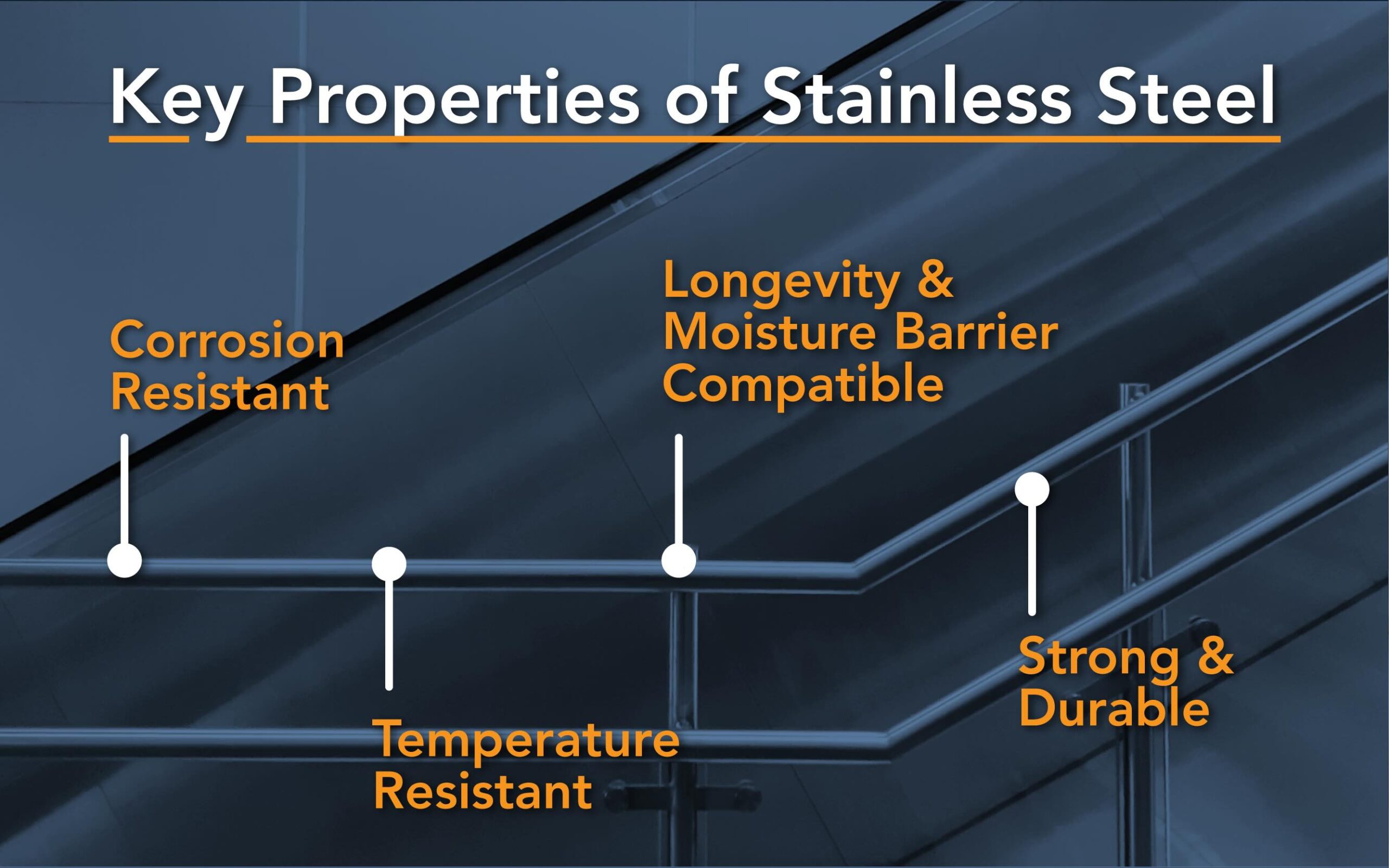
Corrosion Resistance
Stainless steel jacketing offers exceptional corrosion resistance, making it an ideal choice for mechanical insulation systems exposed to harsh environments, moisture, and aggressive chemicals. Its chromium-rich surface forms a passive oxide layer that helps protect against oxidation, atmospheric corrosion, and many industrial contaminants, even when subjected to frequent washdowns or outdoor exposure. This inherent resistance significantly reduces the risk of under-jacketing corrosion, helps maintain the integrity of the insulation system, and extends service life in demanding applications such as coastal facilities, chemical plants, and food and beverage processing environments.
Temperature & Fire Resistance
Stainless steel jacketing is a high-performance cladding option for mechanical insulation systems where elevated temperatures, fire resistance, and long-term durability are critical. It maintains its structural integrity and protective properties across a wide temperature range—performing reliably in both cryogenic applications and continuous high-temperature service without softening, melting, or degrading. Unlike many alternative jacketing materials, stainless steel is non-combustible and does not contribute to flame spread, making it well-suited for facilities with stringent fire-safety requirements such as refineries, power plants, and industrial processing environments. In addition to its fire resistance, stainless steel jacketing provides excellent resistance to corrosion, mechanical damage, and thermal cycling, ensuring the insulation system confirm remains protected and compliant over the life of the installation.
Strength & Durability
Stainless steel jacketing provides outstanding strength and durability, offering superior resistance to impact, abrasion, and deformation compared to many alternative jacketing materials. Its toughness allows it to withstand mechanical abuse, foot traffic, and harsh industrial conditions while maintaining a clean, intact protective barrier over the insulation system for long-term performance.
Longevity & Moisture Barrier Compability
Stainless steel jacketing is valued for its long service life and its compatibility with underside moisture barriers such as polyfilm moisture barrier (PFMB). When paired with a factory-applied moisture barrier, the jacketing system helps limit water ingress and reduces the risk of moisture becoming trapped between the insulation and the metal, which can contribute to corrosion and system degradation over time. This combination enhances long-term performance, protects both the insulation and the jacketing itself, and supports a durable, low-maintenance insulation system in demanding industrial environments.
Best Applications for Stainless Steel
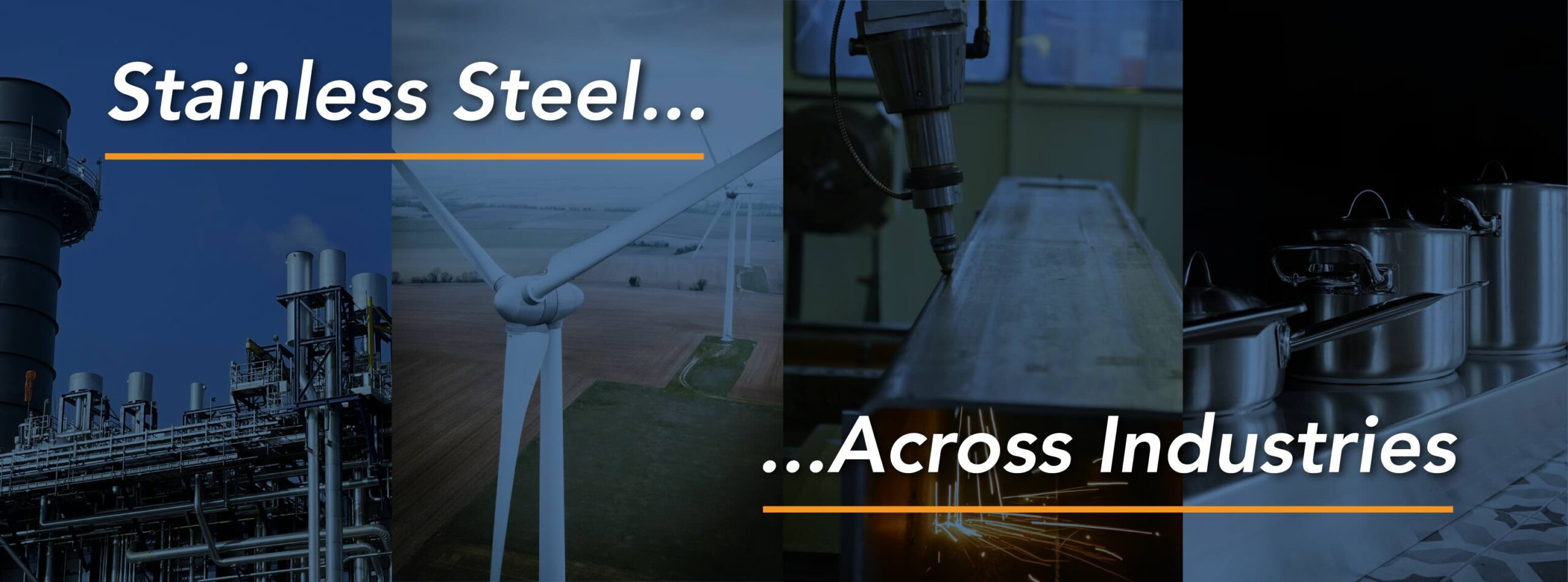
Stainless steel is used across a wide range of industries. Its combination of strength, temperature tolerance, and corrosion resistance makes it adaptable to systems where reliability is critical.
Its finishes, from smooth to stucco-embossed to deep corrugated, also offer aesthetic and functional advantages. Depending on the environment, a particular finish may help hide imperfections, improve rigidity, or enhance appearance.
Stainless steel is typically the material of choice for:
- Chemical plants and refineries where corrosive agents are present
- Coastal or marine environments with high salt exposure
- High-temperature systems or fire-sensitive installations
- Outdoor piping subjected to weather, UV, and mechanical contact
- Industrial areas with frequent foot traffic, tools, or equipment movement
- Critical equipment where long-term durability outweighs cost or weight
Engineers often select stainless steel when environmental resistance, longevity, and reliability are essential, even if the material carries a higher upfront cost.
Stainless Steel: A Durable Choice
Stainless steel remains one of the most durable and reliable jacketing materials available today. Its strength, corrosion resistance, and ability to perform in demanding environments make it a trusted option for protecting mechanical insulation systems. While it may require a higher upfront investment, its long service life and reduced maintenance needs often deliver excellent lifecycle value.
If you have questions about stainless steel, or selecting the right material for your project, our team is here to help.
USA: 1.888.877.7685
CAN: 1.800.299.0819
Looking Ahead: Stainless Steel vs. Aluminum
Both stainless steel and aluminum have distinct advantages, and the right choice depends on the demands of the environment. In our next blog post, we’ll compare stainless steel and aluminum side-by-side to help you determine which material is best suited for your project’s needs.